July 28, 2026
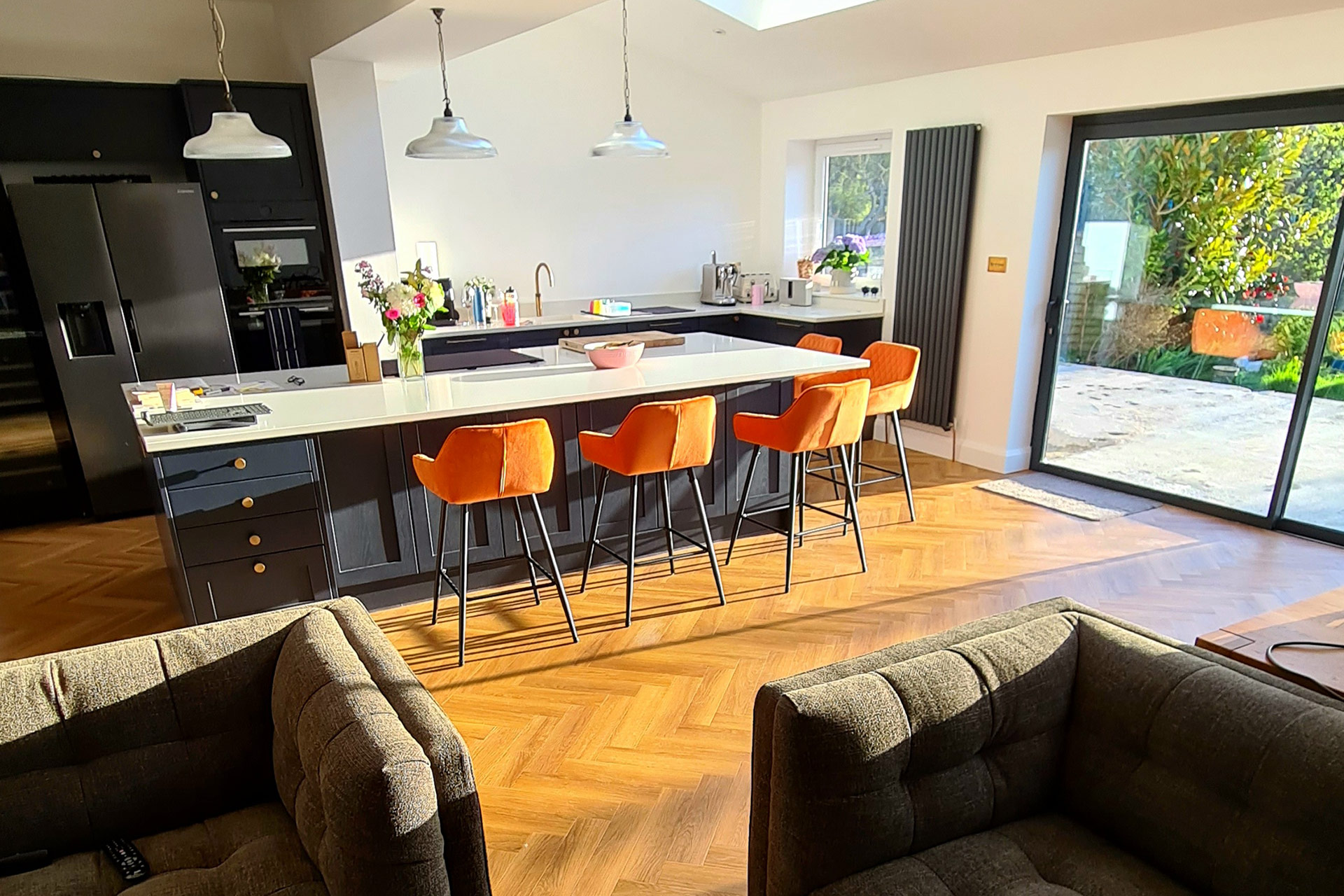
LVT is designed to be a long-term flooring choice, but there is no single lifespan that applies to every product or every home.
As a broad guide, good-quality LVT can often last 15 to 25 years in a residential setting, and sometimes longer when it is properly specified, fitted and maintained. The amount of traffic it receives, the quality of the product and what sits underneath it all make a difference.
The wear layer gets a lot of attention when comparing LVT, but it is only one part of the picture.
The main factors are:
A good LVT product installed badly can cause problems far sooner than a sensibly specified floor that has been properly prepared and fitted.
LVT is made from several layers. Above the printed design sits a clear protective wear layer that helps protect the appearance of the floor from everyday use.
Generally, products designed for heavier use have a more substantial wear layer. That does not mean you automatically need the thickest option available. A bedroom and a busy hallway place very different demands on a floor.
The important thing is choosing a product that is appropriate for the room rather than simply buying on one specification.
One of the biggest factors in how well LVT performs is the surface beneath it.
Glued-down LVT needs a subfloor that is dry, stable and properly prepared. Unevenness, movement or moisture underneath the flooring can eventually lead to visible imperfections, lifting or gaps.
This is why preparation is such an important part of a professional installation. The finished floor may be what you see, but much of its long-term performance depends on the work underneath it.
Our guide to How to Prepare for Your New Flooring Installation explains what to expect before fitting day.
Yes. Flooring in a spare bedroom is likely to experience far less wear than flooring in a hallway, kitchen or open-plan family room.
Areas that usually take the most punishment include:
That does not mean LVT is unsuitable for these rooms. In fact, these are often exactly the places where its durability and easy maintenance make it particularly useful. It simply means the product and fitting need to suit the amount of use.
LVT is designed to resist everyday wear, but it is not impossible to scratch.
Grit carried in from outside is one of the biggest causes of gradual surface marking because small particles are repeatedly walked across the floor. Heavy furniture can also cause damage if it is dragged rather than lifted.
Simple habits make a difference:
These small things can help the floor look better for much longer.
LVT itself is highly resistant to water, which is one reason it is so popular in kitchens, utility rooms and other busy areas.
That does not mean water should be ignored. Large spills or leaks can still reach edges, adhesives and the subfloor beneath, so they should always be dealt with promptly.
If water resistance is one of your main priorities, our LVT vs Laminate Flooring guide explains how the two compare.
One advantage of glued-down LVT is that an individual plank or tile can sometimes be replaced without renewing the entire floor.
This depends on the type of damage and the installation, but it is one reason we recommend keeping a few spare pieces after fitting. Flooring ranges and production batches change over time, so having matching pieces available can make future repairs much easier.
LVT does not require complicated maintenance. Regular vacuuming or sweeping and cleaning with a suitable product is normally enough for everyday care.
Avoid harsh or abrasive cleaners and deal with any lifting, movement or damage early rather than allowing a small problem to become a larger one.
The aim is not to keep the floor looking untouched forever. A well-used floor will naturally show some signs of life over many years. Good care simply helps that happen gradually and evenly.
For many homes, yes.
Its combination of durability, water resistance, easy cleaning and design choice makes LVT particularly useful in busy family spaces. The strongest results come from choosing the right product for the room and giving as much attention to preparation and fitting as to the flooring itself.
A premium product is not a substitute for a properly prepared subfloor.
For a good-quality residential LVT floor, around 15 to 25 years is a sensible general expectation, although the actual lifespan can be shorter or considerably longer depending on the product, installation and use.
The best way to judge value is not simply to ask how many years a floor might last. Consider how well it suits the room, how it will be fitted and how realistic it is for the way your household lives.
Visit our Bromley showroom to compare LVT flooring, explore full-size samples and get practical advice from our experienced team. We’ll help you choose the right flooring before arranging professional installation.


